Oil Sucker Rod Lifting Clamp Inspection
Oil sucker rod lifting clamp inspection is a critical process in petroleum extraction equipment maintenance. The primary objectives include evaluating structural integrity, material fatigue, and load-bearing capacity of lifting clamps through comprehensive technical examinations. Non-destructive testing (NDT) technology serves as the fundamental detection method, complemented by physical performance testing and dimensional accuracy analysis.
Detection Content
1. Surface Defect Inspection: Utilizes magnetic particle testing and ultrasonic testing to identify cracks, corrosion pits, and surface imperfections
2. Material Property Analysis: Conducts hardness testing and metallographic examination to verify material conformity
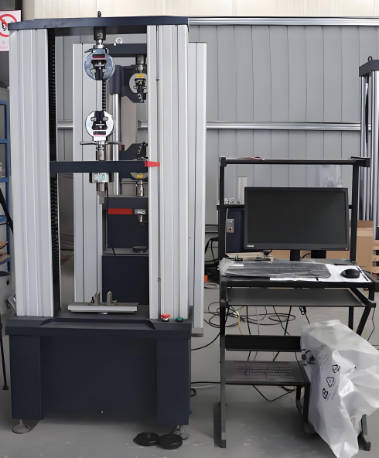
3. Load Capacity Verification: Performs static and dynamic load testing according to API 11B standards
4. Dimensional Tolerance Check: Measures critical dimensions including jaw opening dimensions and hinge pin diameters
Technical Standards
The inspection process strictly follows:
- API Spec 11B: Specification for Sucker Rods
- SY/T 5029: Technical Requirements for Petroleum Extraction Tools
- ASTM E1444: Standard Practice for Magnetic Particle Testing
- ASME B30.26: Rigging Hardware Safety Standard
Test Methods
1. Visual Inspection: Initial assessment of surface conditions and obvious structural deformations
2. Magnetic Particle Testing: Detects surface and near-surface flaws through magnetic flux leakage principles
3. Ultrasonic Thickness Measurement: Monitors wall thickness variations in high-stress areas
4. Proof Load Testing: Applies 150% of rated load capacity for safety verification
5. Cyclic Fatigue Test: Simulates operational stress through repeated loading cycles
Defect Evaluation
Establishes three classification levels for defects:
- Critical Defects: Immediate rejection criteria including through-wall cracks
- Major Defects: Repairable flaws requiring weld repair with post-repair inspection
- Minor Defects: Surface imperfections allowed within specified tolerance limits