Introduction to Content Detection
Content detection, often referred to as quantitative analysis, is a critical process in various industries where the precise measurement of specific components within a sample determines quality, safety, and compliance. This involves assessing the proportion of elements like active ingredients, contaminants, or nutrients in substances such as food, pharmaceuticals, chemicals, and environmental materials. Accurate content detection ensures that products meet regulatory standards, protect consumer health, and maintain industrial efficiency. For instance, in the food sector, it prevents adulteration by verifying nutrient levels, while in pharmaceuticals, it guarantees drug potency and purity. The rise of global supply chains and stricter regulations has amplified the importance of this field, driving innovations in analytical technologies. Content detection typically encompasses several key elements: the specific items being analyzed, the advanced instruments used for measurement, the methodologies applied for accurate quantification, and the standardized protocols that ensure consistency and reliability across different testing scenarios.
Detection Items
Detection items refer to the specific components or substances targeted in content analysis, which vary widely based on the industry and application. Common examples include moisture content in agricultural products, where excess water can lead to spoilage; heavy metal content like lead or mercury in environmental samples to monitor pollution; active pharmaceutical ingredients (APIs) in medications to ensure therapeutic efficacy; and fat or protein content in food items for nutritional labeling. Other key items involve pesticide residues in crops, volatile organic compounds (VOCs) in air quality testing, and mineral content in geological samples. Each item requires tailored detection approaches, as the nature of the substance influences the sensitivity and specificity needed. For example, detecting trace heavy metals demands high-precision instruments, while measuring moisture might involve simpler methods. Standardization of these items is crucial for cross-industry comparability.
Detection Instruments
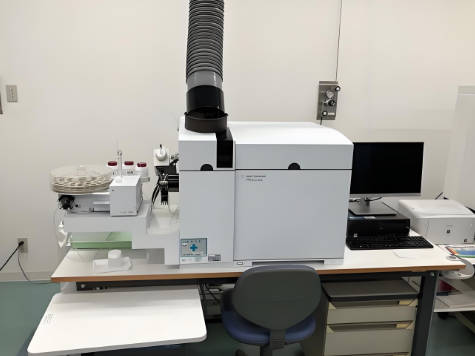
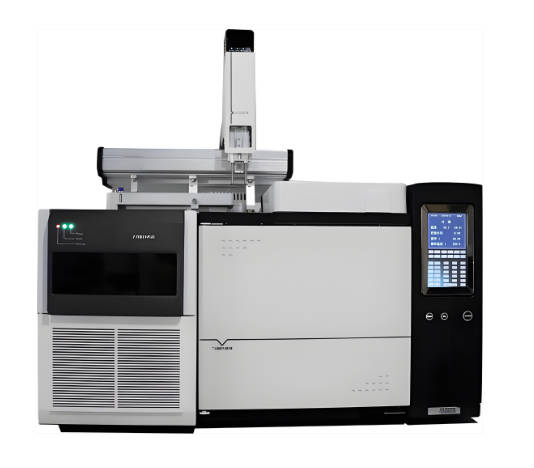
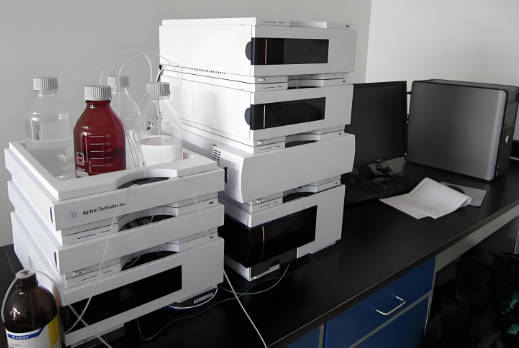
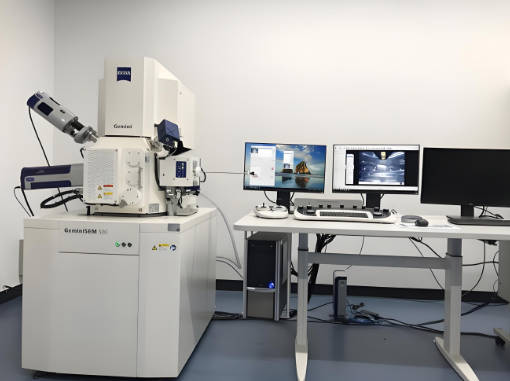
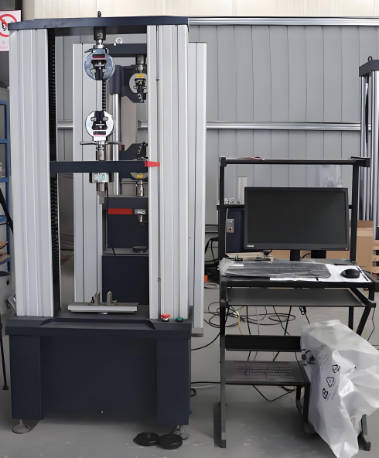
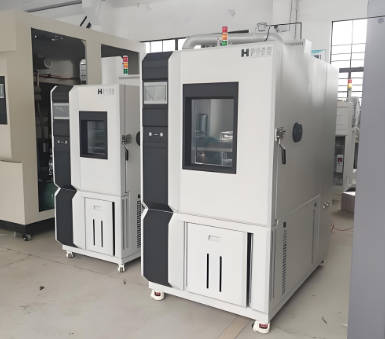
Detection instruments are specialized devices designed to quantify content levels with high accuracy and efficiency. Key instruments include spectrophotometers like UV-Vis or infrared (IR) spectrometers, which measure light absorption to identify concentrations; chromatography systems such as high-performance liquid chromatography (HPLC) and gas chromatography (GC), which separate and analyze components based on their chemical properties; atomic absorption spectrometers (AAS) for heavy metal detection; and titration apparatus for straightforward volumetric analysis. Advanced tools like mass spectrometers coupled with chromatographic methods (e.g., GC-MS) offer enhanced sensitivity for trace-level detection. Benchtop instruments like pH meters or moisture analyzers provide quick on-site measurements, while automated systems in labs handle high-throughput samples. The choice of instrument depends on factors like detection limits, sample type, and required speed, with modern devices often integrating software for data analysis and reporting to improve reliability.
Detection Methods
Detection methods encompass the analytical techniques used to measure content, ranging from traditional chemical assays to cutting-edge instrumental approaches. Common methods include gravimetric analysis, where the mass of a component is directly measured after separation; volumetric methods like titration, which involve reacting samples with reagents to determine concentration; spectroscopic techniques such as atomic emission spectroscopy (AES) for elemental analysis; and chromatographic methods like liquid chromatography-tandem mass spectrometry (LC-MS/MS) for complex mixtures. Electrochemical methods, including potentiometry or amperometry, are used for ion detection, while enzymatic assays apply in food and biological samples. Each method has advantages: gravimetric is highly accurate for solids, while chromatography excels in separating multiple components. Standardized protocols ensure repeatability, with methods validated for precision, accuracy, and robustness to handle real-world variations.
Detection Standards
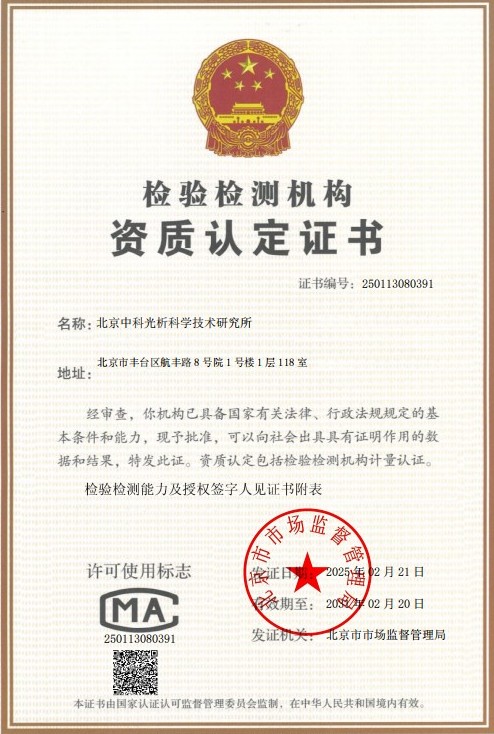
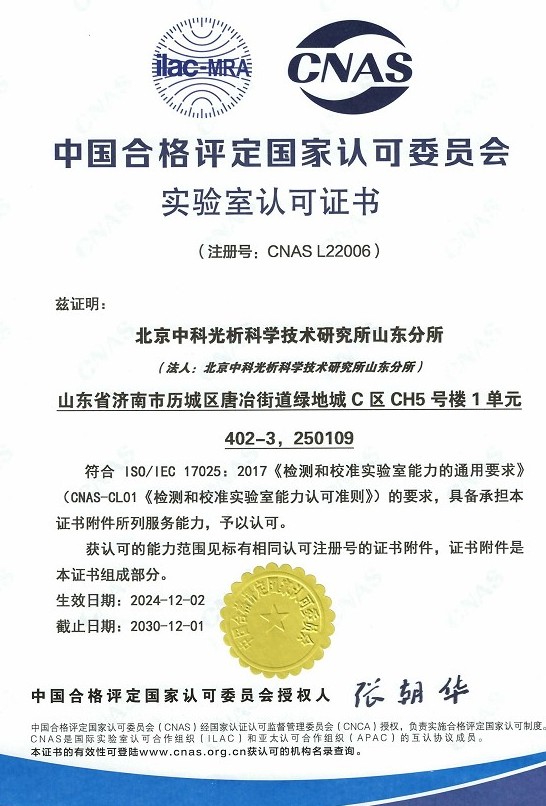
Detection standards are established guidelines that define procedures, limits, and quality benchmarks to ensure consistent and reliable content detection across laboratories and industries. Key standards include international ones like ISO (e.g., ISO 17025 for lab competence and ISO 9001 for quality management), national standards such as GB/T in China or ASTM International in the U.S., and industry-specific protocols like those from the FDA for pharmaceuticals or the EPA for environmental testing. These standards specify everything from sample preparation and calibration to reporting formats and acceptable concentration limits. For example, ISO 6497 outlines methods for animal feed moisture detection, while GB/T 5009.3 details food moisture analysis. Adherence to standards minimizes errors, facilitates global trade, and ensures safety compliance through regular audits and certification. Emerging trends include harmonized global standards and digital tools for automated compliance tracking.